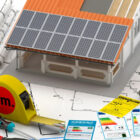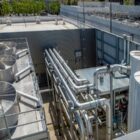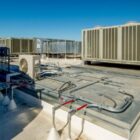
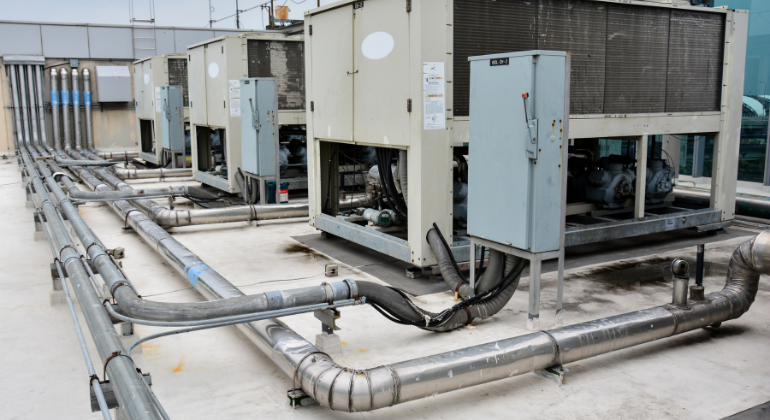

Most people think that HVAC is only for keeping us warm in the winter and cool in the summer. But that’s not true! A well-designed HVAC system plays a big role in protecting people’s health and safety. It does this by cleaning the air we breathe, getting rid of harmful gases, stopping the spread of smoke or fire, and making sure every room has the right air pressure and moisture levels.
Designing an HVAC system is not just about comfort; it is also about safety. If it is not designed the right way, it can lead to serious problems, like poor air quality, mold growth, gas leaks, or even fire risks. If you are willing to learn more about how HVAC design enhances building safety, read this exclusive blog written by a fire protection engineer in Calgary until the end.
Controls Temperature and Humidity
A good HVAC design helps keep the inside of a building at a safe and comfortable temperature. It cools the building in summer and warms it in winter. It also controls how much moisture is in the air. If the air is too damp, it can lead to mold or damage to furniture and walls. If the air is too dry, it can cause discomfort and health problems. By keeping both temperature and humidity in check, HVAC systems protect both people and the building.
Improves Air Quality
The HVAC system helps clean the air inside a building. It pulls in fresh air from outside and pushes out dirty air. Also, it uses filters to catch dust, smoke, pollen, and germs. This is very important for people with allergies or breathing problems. Clean air keeps everyone healthier and helps stop the spread of illness.
Prevents Fire Hazards
HVAC systems can help stop the spread of smoke if there is a fire. They have special parts like smoke detectors and fire dampers that close when smoke is detected. This stops smoke from moving through air vents into other rooms. A good design also helps prevent fires by avoiding overheating or short circuits in the HVAC system.
Reduces Risk of Gas Leaks and Poisoning
Some buildings use gas-powered systems, and if there is a leak, it can be dangerous for all the occupants. A well-designed HVAC system effectively removes harmful gases like carbon monoxide from the air to keep you safe. It can also detect when gas levels are too high. This helps keep people safe from gas poisoning or even deadly accidents.
Maintains Safe Air Pressure
In some buildings, air pressure needs to be balanced. Examples include hospitals, labs, or clean rooms. HVAC systems help manage this by pushing or pulling air as needed. This stops dirty air from moving into clean areas and protects people from breathing in harmful substances.
Also Read: HVAC Design Enhances Indoor Air Quality
Conclusion
Some people think that HVAC systems are only for keeping the space cool in the summer and hot in the winter. But it does a lot more than that, including keeping you comfortable and safe in the building. A well-designed HVAC system can help improve air quality, prevent fire hazards, reduce the risk of gas leaks, and maintain safe air pressure if required. If you need more information on how an HVAC system keeps you safe in a building, please contact a MEP engineer in Alberta without delay.
FAQs
Q. How does HVAC improve indoor air quality?
HVAC helps improve indoor air quality by filtering out dust, smoke, and germs while bringing in fresh air. This helps people breathe cleaner air and reduces the spread of illness.
Q. Can HVAC systems help in fire emergencies?
Yes. HVAC systems can limit the spread of smoke through fire dampers and shut-off systems.
Q. What safety features are included in a good HVAC system?
Key safety features include air filters, smoke detectors, fire dampers, gas leak sensors, and pressure control.