
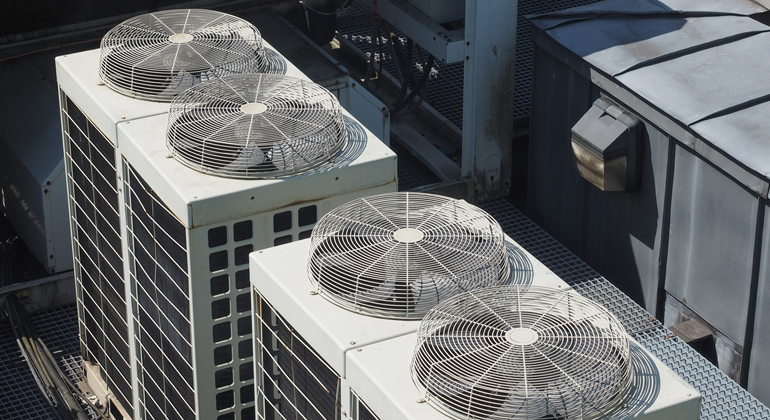

Do you or your family members suffer from allergies, asthma, frequent colds, or breathing issues? Is poor indoor quality causing health problems in your family, and you don’t know how to fix it? If so, there is no need to worry, as all you need to do is invest in a smart HVAC design to enhance indoor air quality and prevent such health problems.
Though the benefits of a smart HVAC design are numerous, only a few people are aware of them. Some even think it’s a gimmick, but it’s not; you must invest in smart HVAC design to lower utility bills, ensure smooth functioning, and prevent respiratory problems. If you need more information on how a smart HVAC design can help enhance indoor air quality.
What Is Smart HVAC Design?
A smart HVAC design involves planning your HVAC (Heating, Ventilation, and Air Conditioning) system efficiently and effectively. It goes beyond simply using advanced technology; it focuses on ensuring that all components work together smoothly to maintain clean and comfortable air in your home or building.
This type of design considers the size of the space, how people utilize it, and the external climate. A well-designed HVAC system ensures proper air circulation, filters out dust and allergens, and uses energy efficiently. Here are the key components of a smart HVAC design:
- Installing proper air filters
- Using the right size component
- Using smart thermostats and sensors
- Placing vents and ducts in the best locations
How Smart HVAC Improves Air Quality
A smart HVAC design in Greater Vancouver helps make the air inside cleaner and healthier to breathe by using better design and smarter technology to control airflow, temperature, and humidity. Here is more information on how smart HVAC systems improve air quality:
Better Air Filters
These systems use high-quality filters that catch dust, pollen, smoke, and other harmful particles, which helps people breathe easier, especially those with allergies or asthma.
Steady Airflow
Smart HVAC systems keep air moving properly through the building. This prevents stuffy or stale air and keeps fresh air coming in.
Humidity Control
Smart HVAC systems balance moisture levels in the air. Too damp air can lead to mold, while air that’s too dry can cause throat or skin irritation.
Fresh Air Ventilation
These advanced systems bring in outdoor air when needed and push out old, dirty air. This keeps the space well-ventilated.
Smart Sensors
Many systems are equipped with sensors that check air quality and adjust the system automatically. If the air gets bad, the system knows how to fix it.
Health Benefits of Clean Indoor Air
When the air inside your home or building is free from dust, germs, and pollution, it helps your body stay strong and your mind stay clear. Here are some key health benefits of clean indoor air:
- Improved sleep
- Sharper focus and mood
- Stronger immune system
- Better breathing for everyone
- Fewer allergies and asthma problems
Read Also – Make Your HVAC System Last Longer
Final Thoughts
If someone in your family has respiratory problems, such as asthma, allergies, and frequent colds, regular HVAC systems might not be the best choice for you. You may want to invest in an intelligent HVAC system designed by a professional who has mastered the art of HVAC engineering in Calgary. An advanced HVAC system can significantly improve indoor air quality and help prevent respiratory issues. These systems have high-quality air filters and humidity control sensors. If you would like more information on how an effective HVAC design can enhance your indoor air quality and overall well-being, please consult a professional as soon as possible.