
In every part of the world, energy costs are rising, and so is the need to use electricity more wisely. From homes to offices, schools, and shopping malls, every building uses a lot of power every day, especially for cooling, lighting, and running appliances. This not only increases electricity bills but also adds pressure on our environment.
To solve this problem, experts are now using something called energy modelling. It is a smart method that helps us understand how a building uses energy. By creating a computer-based model of a building, professionals can find out where energy is being wasted and how to fix it. It helps architects, engineers, and builders design buildings that use less power, save money, and stay comfortable all year round.
Energy modelling is not only useful for new buildings but also for improving old ones. Whether it is a small house or a big commercial complex, even small changes like better insulation, smarter lighting, or more efficient air conditioning can make a big difference when planned properly. If you are interested in learning more about how energy modelling can improve building efficiency and performance, read this blog by the best MEP engineer in Greater Vancouver until the end.
How Energy Modelling Improves Efficiency
Energy modelling helps make buildings work more efficiently while using less energy. It shows how energy is used inside a building and helps find smart ways to reduce waste. Here are the ways energy modelling improves efficiency:
Helps Choose Better Building Materials
With energy modelling, builders can see how different materials affect heating and cooling in a building. For example, walls with better insulation or windows that block heat can keep rooms cooler in summer and warmer in winter without using more electricity.
Suggests the Best Building Design
The way a building is shaped can affect how much sunlight or wind it gets. Energy modelling helps plan a layout that takes advantage of natural light and airflow. It significantly reduces the need for artificial lighting and air conditioning.
Recommends Energy-Efficient Systems
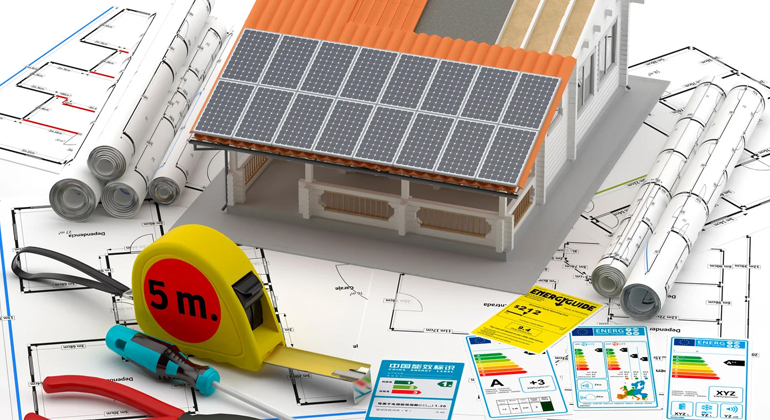
Energy modelling can suggest using appliances and lighting systems that use less energy, like LED lights, energy-saving fans, high-efficiency air conditioners, and even solar panels. These systems use less power while doing the same job, which saves money and reduces the load on the power grid.
Find the Right Size for the Equipment
Buildings designed using energy modelling use the correct size equipment for cooling and heating. Oversized or undersized units waste energy. Energy modelling ensures the equipment matches the building’s actual needs.
Helps Plan Smart Controls
You can use timers, sensors, and automation to turn off lights, fans, or ACs when they are not required. Energy modelling shows where these smart controls will work best.
How Energy Modelling Boosts Performance
Not only does energy modelling boost the efficiency of a building, but it also helps improve the overall performance of a building by making it more comfortable, healthier, and smarter. Go through the following points to learn how energy modelling boosts performance:
Keeps Indoor Temperatures Comfortable
With energy modelling, you can ensure that rooms stay cool in summer and warm in winter without overusing ACs or heaters. This gives more comfort to the people living or working inside.
Improves Air Quality
A well-designed building with good airflow and proper ventilation keeps the air fresh and healthy. Energy modelling helps plan systems that bring in clean air and remove stale air without wasting energy.
Reduces Pressure on Electrical Systems
An energy-efficient building uses less power, which reduces the load on wires, transformers, and backup generators. And when the load is less, electrical systems experience fewer breakdowns and smoother operation.
Helps Buildings Work Better Every Day
From lighting to cooling to water heating, every system works more smoothly when energy is used wisely. Energy modelling helps avoid overuse, keeps systems running efficiently, and lowers the chances of problems.
Supports Green Building Goals
If you are trying to get certifications for your building, energy modelling can help you. It proves that your building is performing well and meeting energy-saving targets.
Conclusion
Designing an energy-efficient building is not an option, but a necessity in today’s world. Energy modelling proves to be a great technique in designing a building that stays warm in winter and cool in summer. It is not only effective for new builds but for existing buildings, too. With minor changes and modifications, it is possible to make your existing building more efficient and improve its performance. If you need energy modelling in BC, contact Startech Engineering immediately.
FAQs
Q. What are the benefits of building energy modelling?
Energy modelling helps predict energy use, reduce waste, and optimize design for lower costs and improved efficiency.
Q. How can the energy efficiency of a building be improved?
You can improve the energy efficiency of a building by using better insulation, energy-efficient systems, and optimizing lighting and appliances.
Q. How to design an energy-efficient building?
You can design an energy-efficient building by focusing on insulation, efficient windows, natural lighting, and renewable energy sources in the design.
Q. What are the factors affecting energy efficiency in buildings?
The key factors that affect energy efficiency in buildings include insulation quality, HVAC systems, window types, and the materials used in construction.